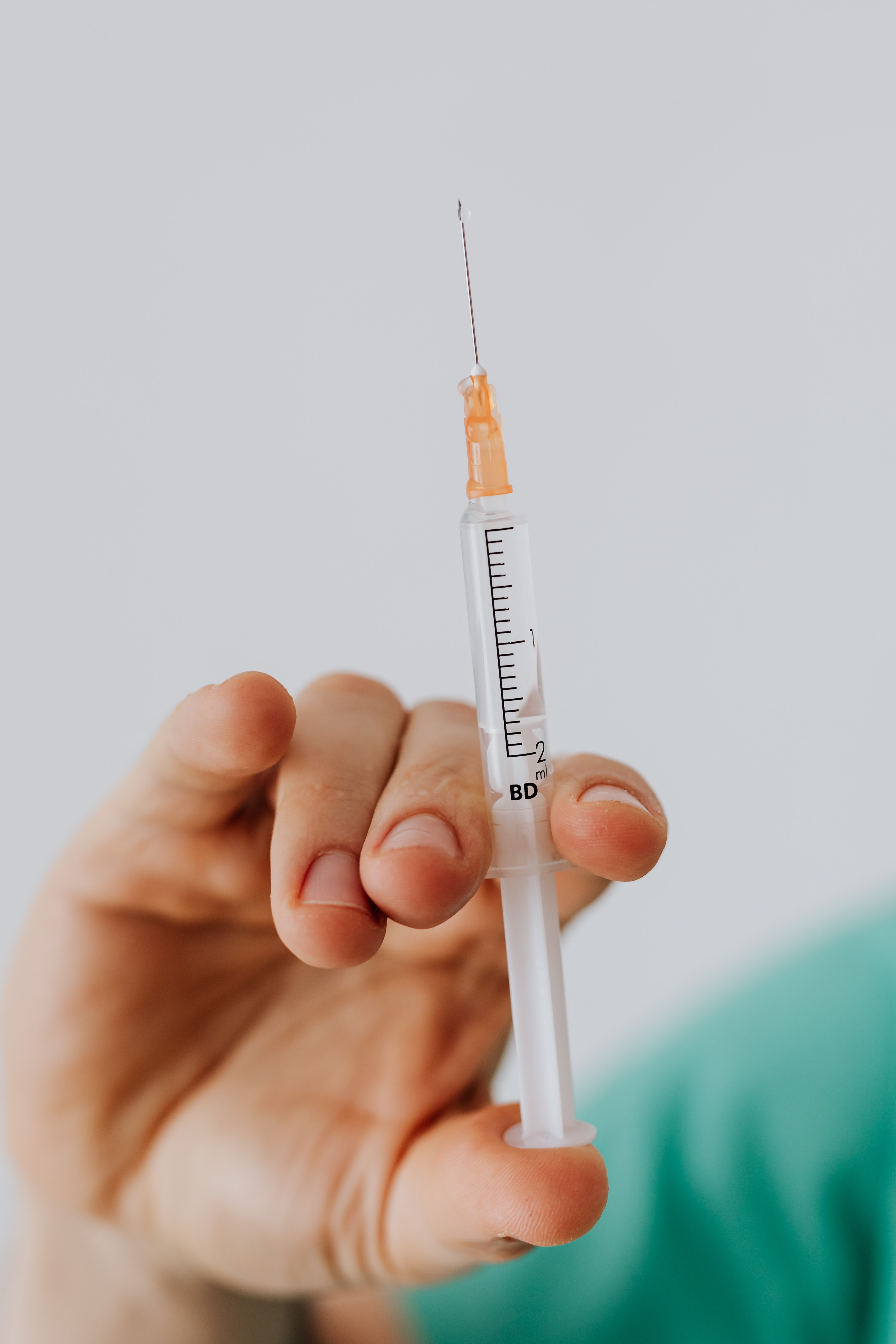
A Guide to Canine Vaccinations: Maximizing Your Dog's Health with Proper Vaccinations
As a responsible dog owner, one of the most important things you can do to protect your furry friend's health is to ensure they receive proper vaccinations. Vaccinations are key in preventing various diseases that can be potentially harmful or even fatal to dogs. In this guide, we'll discuss the importance of canine vaccinations, highlight some of the essential vaccines your dog needs, and address common concerns and misconceptions regarding vaccinations.
Why Vaccinations Matter
Just like humans, dogs can contract contagious diseases that can severely impact their overall health. Vaccinations work by stimulating your dog's immune system to produce protective antibodies against specific diseases. These antibodies help fight off infections and provide long-term immunity. By getting your dog vaccinated, you not only protect their health, but you also contribute to the overall well-being of the canine community by preventing the spread of diseases.
Essential Vaccinations for Dogs
While there are many vaccines available, some are considered core vaccines and are highly recommended for all dogs. These include:
- Rabies Vaccine: Undoubtedly the most crucial vaccination for dogs, the rabies vaccine protects against the deadly rabies virus. Rabies is not only a serious threat to your furry friend's health but also poses a significant risk to humans.
- Distemper Vaccine: Canine distemper is a highly contagious disease that affects dogs' respiratory, gastrointestinal, and nervous systems. Vaccinating your dog against distemper is crucial for their overall health and wellbeing.
- Parvovirus Vaccine: Parvovirus is a highly contagious and potentially life-threatening disease that primarily affects puppies and unvaccinated dogs. Vaccination is essential to protect against this virus, which causes severe vomiting, diarrhea, and dehydration.
- Adenovirus (Hepatitis) Vaccine: This vaccine protects against canine adenovirus type 1, which causes infectious hepatitis, a serious liver disease. The adenovirus vaccine is often combined with the distemper and parvovirus vaccines in a single shot, known as the DHPP vaccine.
- Canine Parainfluenza Vaccine: Parainfluenza is one of the viruses responsible for kennel cough, a highly contagious respiratory infection. Vaccination helps protect your dog from this uncomfortable and potentially severe illness.
Vaccine Schedule and Boosters
Puppies typically receive a series of vaccinations starting at around 6 to 8 weeks of age. These initial vaccinations need to be followed by booster shots at regular intervals to ensure maximum effectiveness. Your veterinarian will provide you with a vaccination schedule tailored to your dog's specific needs.
It's essential to adhere to the recommended vaccination schedule and not skip booster shots. If vaccinations are not properly maintained, your dog's protection against diseases may decrease, leaving them vulnerable to infection. Regular check-ups with your veterinarian will help ensure your dog stays up-to-date on vaccinations.
Common Concerns and Misconceptions
There are several concerns and misconceptions surrounding canine vaccinations. Let's address a few of them:
- Vaccine Side Effects: Just like with any medication or medical treatment, vaccines may have side effects. However, the majority of dogs experience only mild and temporary effects, such as fatigue or slight inflammation at the injection site. Severe reactions are rare. It's always wise to discuss any concerns with your veterinarian.
- Vaccination and Autism: Some dog owners worry that vaccines can cause autism in dogs. However, there is no scientific evidence supporting a link between dog vaccinations and autism. Vaccinations are crucial for dogs' health and do not pose a risk of autism.
- Natural Immunity: While it is possible for dogs to develop natural immunity to certain diseases, relying solely on natural immunity is risky. Natural immunity varies greatly from dog to dog, and some diseases, such as rabies, do not offer long-term natural immunity. Vaccinations offer reliable and consistent protection against diseases.
Conclusion
Maximizing your dog's health with proper vaccinations is an important responsibility of every dog owner. By following the recommended vaccination schedule and ensuring your dog receives all the necessary vaccines, you provide them with the best chance of leading a healthy and happy life. Don't hesitate to consult with your veterinarian for personalized guidance regarding your dog's vaccination needs. Remember, a vaccinated dog is a healthy dog, and you play a vital role in safeguarding their well-being.