


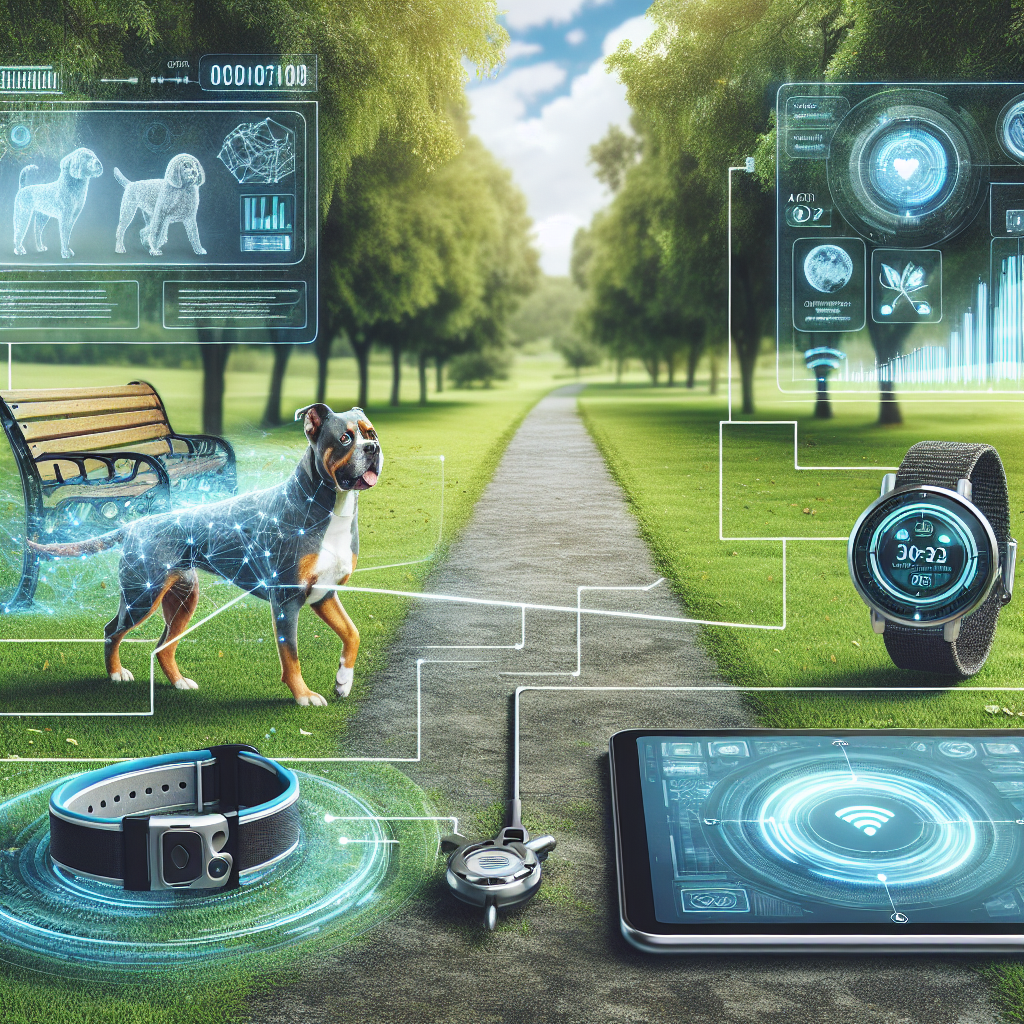
Dog training has evolved significantly with technology's integration, transforming the traditional methods and enhancing communication with our pets. The array of gadgets and apps aiding dog training is at the forefront of creating a more profound understanding and bond between pet and owner.
Electronic training collars, or e-collars, are now designed to be much more humane, with adjustable settings for sound, vibration, and different levels of stimulation. The SportDOG Brand 425X Remote Trainers is an example, offering flexibility for trainers to use sound or vibration signals over distances up to 500 yards.
GPS trackers have become essential for monitoring your dog's location, like the Fi Series 2 GPS Tracker Collar. These trackers offer real-time location tracking and geofencing alerts, as well as monitoring your dog's activity levels, ensuring they get sufficient exercise.
Gadgets like the CleverPet Hub use cognitive stimulation to keep your dog engaged. These interactive toys can reduce anxiety and boredom by challenging your dog's mind with lights, sounds, and treats as rewards.
Apps such as Puppr provide step-by-step photo instructions and a built-in clicker for training, while Dog Monitor allows live video monitoring and two-way communication to ease separation anxiety or check in on your dog's well-being.
The iFetch Automatic Ball Launcher is great for pets that need extensive exercise, enabling dogs to play fetch and burn energy. These launchers can adjust the launch distance, suiting both indoor and outdoor environments.
Technology like Virtual Reality (VR) is starting to make waves in dog training by simulating various scenarios for controlled training experiences, fostering positive reinforcement techniques.
Devices like Whistle Go Explore monitor a dog's vitals and activity, offering insights into their fitness and stress levels, which is essential for a receptive and trainable pet.
The Petnet SmartFeeder helps reinforce routines and control portions for food-motivated pets, which is a crucial aspect of training consistency.
With the power of cloud computing, big data, and machine learning, these devices can analyze behavior patterns, tailor training programs, and alert owners to potential health issues before they escalate.
The integration of technologies like Augmented Reality (AR) and AI carries the promise of personalized training programs. These future developments aim to fortify the bond and understanding between dogs and their owners.
It is crucial to recognize that technology serves as an assistant in dog training, complementing the necessary time and hands-on approach. Properly utilized, these advancements contribute to a more engaging and successful training process, fostering a harmonious relationship.
In conclusion, as we embrace the latest in dog training technology, we open doors to more effective, enjoyable, and deeply rewarding training experiences. With technology as our ally, enhancing the special connection with our canine companions has never been more accessible.


.jpeg)