

.jpeg)
Dogs, like humans, rely heavily on their sense of sight to navigate the world around them. But what happens when a dog loses their vision? It can be a daunting and emotional experience for both the dog and their owner. However, it's important to know that blind or visually impaired dogs can still lead happy, fulfilling lives with the right care and support.
Create a Safe and Familiar Environment
The first step is to create a safe and familiar environment for your dog. Start by removing any potential hazards such as sharp objects, hard-to-spot obstacles, or anything that could cause injury. Try to keep furniture and other items in the same place as much as possible, to avoid confusion for your dog. Consider using tactile markers or different textures on the floor and walls to create boundaries and help your dog navigate.
Provide Auditory and Olfactory Stimulation
Dogs have exceptional senses of hearing and smell, and these can become even more acute when they lose their vision. Provide your dog with plenty of auditory and olfactory stimulation to help them navigate and explore their environment. Play calming music or use white noise to create a calming atmosphere. Use scent markers, such as aromatherapy diffusers or scented toys, to help them identify different areas of the house.
Practice Positive Reinforcement Training
Positive reinforcement training can be a powerful tool for blind or visually impaired dogs. Use treats, praise, and other rewards to help your dog learn new behaviors and commands. Be sure to use consistent verbal cues and tactile signals, such as a gentle touch or a hand signal, to help your dog understand what you're asking of them.
Consider a Guide Dog Harness
A guide dog harness can be a useful tool for both the dog and owner. These harnesses are designed to provide the dog with gentle cues about direction and obstacles, while also allowing the owner to maintain control and keep their dog safe.
Provide Regular Exercise and Mental Stimulation
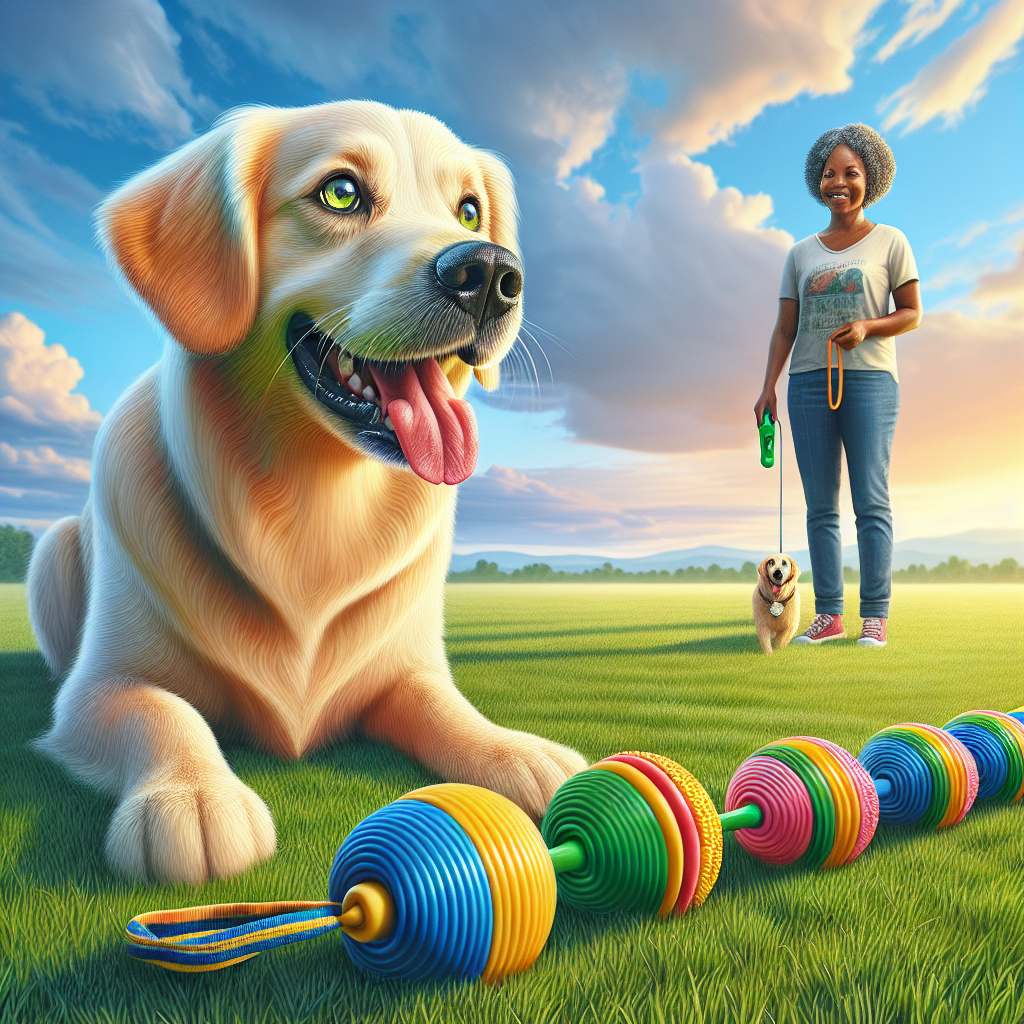
Regular exercise and mental stimulation are important for all dogs, but are especially important for blind or visually impaired dogs. Provide your dog with plenty of opportunities to explore and sniff, and consider using puzzle toys and interactive games to keep their minds engaged and stimulated.
In conclusion, caring for a blind or visually impaired dog requires some extra effort and attention, but it's worth it to see your furry friend happy and thriving. By adapting your home and lifestyle to support your dog's needs, you can provide them with a safe and happy life.