


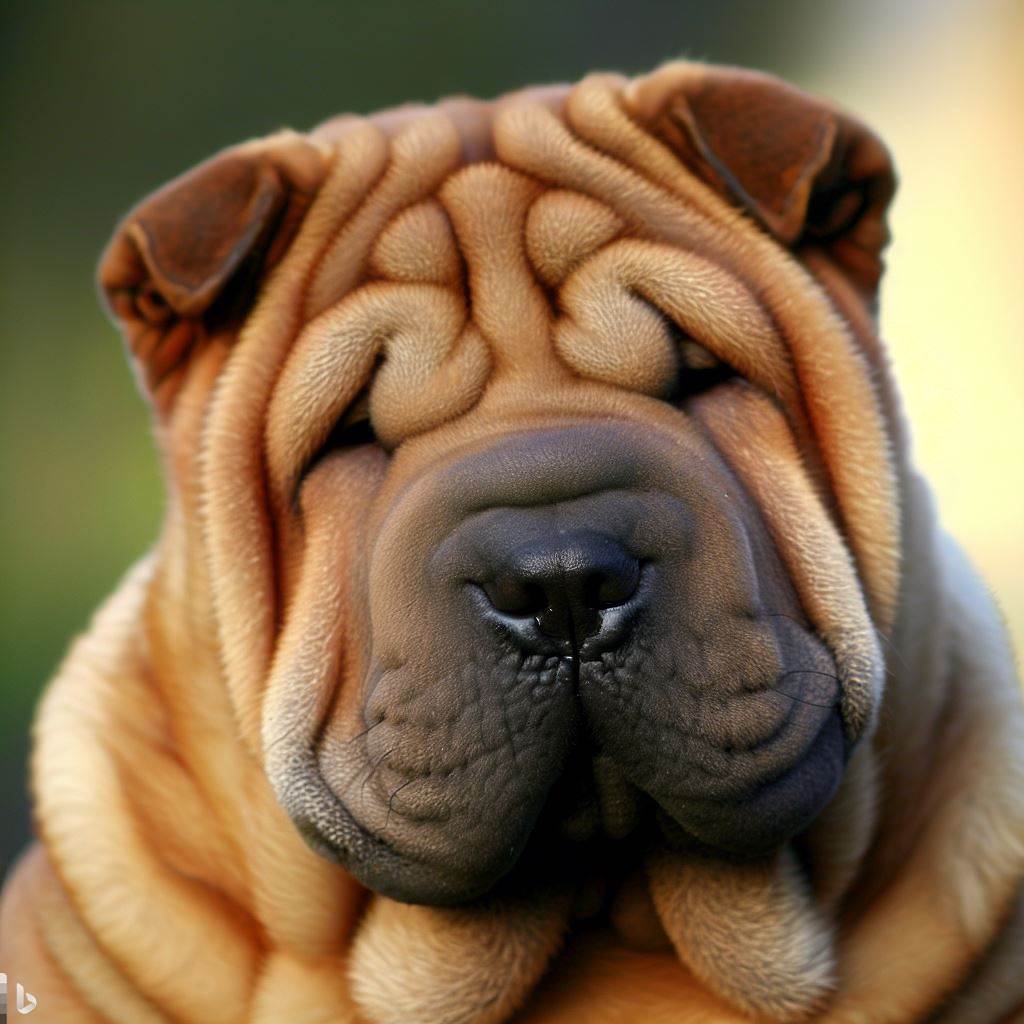
Uncover the fascinating origins and rich history of the Chinese Shar-Pei breed.
When it comes to unique dog breeds, the Chinese Shar-Pei stands out from the crowd. With their wrinkled skin, strong build, and distinctive appearance, these dogs have captured the hearts of many dog enthusiasts around the world. But have you ever wondered about the history and origins of this remarkable breed? In this article, we will delve deep into the roots of the Chinese Shar-Pei, exploring their journey from ancient China to modern times.
The Chinese Shar-Pei is believed to be one of the oldest dog breeds in existence, with a history that dates back over 2,000 years. Originating in southern China, specifically in the Guangdong province, these dogs were originally bred for various purposes, including hunting, guarding, and herding livestock. Their name, "Shar-Pei," translates to "sand skin" in Chinese, referring to their unique wrinkled coat.
During their early years, Chinese Shar-Peis were utilized by Chinese farmers for a variety of tasks. These dogs were highly versatile and were not only skilled at rounding up livestock but also excelled at protecting the home and its inhabitants from intruders. Their distinctive loose skin and prickly coat served as a natural defense against any potential threats, while their independent nature and keen intelligence made them excellent problem solvers in challenging situations.
The Chinese Shar-Pei holds immense cultural significance in its native land. In ancient China, these dogs were believed to possess mystical powers and were often revered as symbols of good fortune and protection. Their wrinkled skin was considered a sign of prosperity, and it was believed that touching a Shar-Pei's head or body would bring luck and ward off evil spirits. Additionally, these dogs were often given as gifts to signify friendship, loyalty, and love.
Despite their historical significance and popularity in ancient China, the Chinese Shar-Pei faced a near brush with extinction in the mid-20th century. The political upheaval and economic difficulties during that time period had a direct impact on dog breeding, and many breeds, including the Chinese Shar-Pei, faced a decline in numbers. The breed's numbers dwindled so drastically that by the early 1970s, it was listed as one of the rarest dog breeds in the world.
Fortunately, the Chinese Shar-Pei's story does not end with their decline. A small number of dedicated individuals recognized the breed's uniqueness and set out on a mission to rescue and revive the breed. Through careful breeding programs and extensive efforts to locate remaining purebred specimens, these enthusiasts were successful in saving the Chinese Shar-Pei from the brink of extinction.
In the 1970s, the Chinese Shar-Pei began to gain international recognition. As the breed's population grew, dog enthusiasts all over the world became increasingly captivated by their distinct appearance and charming personality. In 1973, the Chinese Shar-Pei was officially recognized by the Hong Kong Kennel Club, marking an important milestone in the breed's journey to global recognition.
The Chinese Shar-Pei made its way to the United States in the early 1970s. Matgo Law, a Hong Kong businessman, brought several Shar-Peis with him to America, sparking interest and curiosity among dog enthusiasts. As the breed's popularity grew, breeders in the United States and other western countries started breeding programs to promote and further develop the breed.
The Chinese Shar-Pei is known for its unique appearance and distinctive personality traits. While their wrinkled skin and solid body structure are immediately recognizable, it is their temperament that truly sets them apart. These dogs are renowned for their loyalty, independence, and intelligence. They can be reserved with strangers but are exceedingly devoted to their families, often forming strong bonds that last a lifetime.
The Chinese Shar-Pei's coat requires regular care to ensure their skin stays healthy and clean. Despite the popular misconception, the Shar-Pei's coat is not inherently dirty or prone to skin issues. However, due to their wrinkles, it is essential to clean and dry their skin folds thoroughly to prevent any moisture or debris from getting trapped. Additionally, regular brushing and bathing, as well as routine veterinary care, are necessary to maintain their overall health and well-being.
Proper training and socialization are vital for the Chinese Shar-Pei due to their inherently independent nature. These dogs respond best to positive reinforcement techniques and require a patient and consistent approach. Early socialization is particularly important to ensure they grow into well-rounded and friendly adults. Exposing them to various experiences, people, and other animals from a young age will help them develop into confident and balanced individuals.
Like all dog breeds, the Chinese Shar-Pei is prone to certain health issues. Some of the common health concerns associated with this breed include hip and elbow dysplasia, thyroid disorders, allergies, and skin infections. Regular veterinary check-ups, a balanced diet, and adequate exercise can help mitigate potential health risks and keep these dogs happy and healthy.
The Chinese Shar-Pei is more than just a unique and visually striking dog breed – it is a living testament to the rich history and cultural significance of ancient China. From their ancient origins in the Guangdong province to their near extinction and subsequent rescue, these dogs have overcome many challenges to become the beloved companions they are today. Whether you are captivated by their wrinkled coat, intrigued by their fascinating history, or simply drawn to their wonderful personality, the Chinese Shar-Pei is undoubtedly a remarkable breed that continues to enchant dog enthusiasts all around the world.


.jpeg)
.jpeg)

.jpeg)