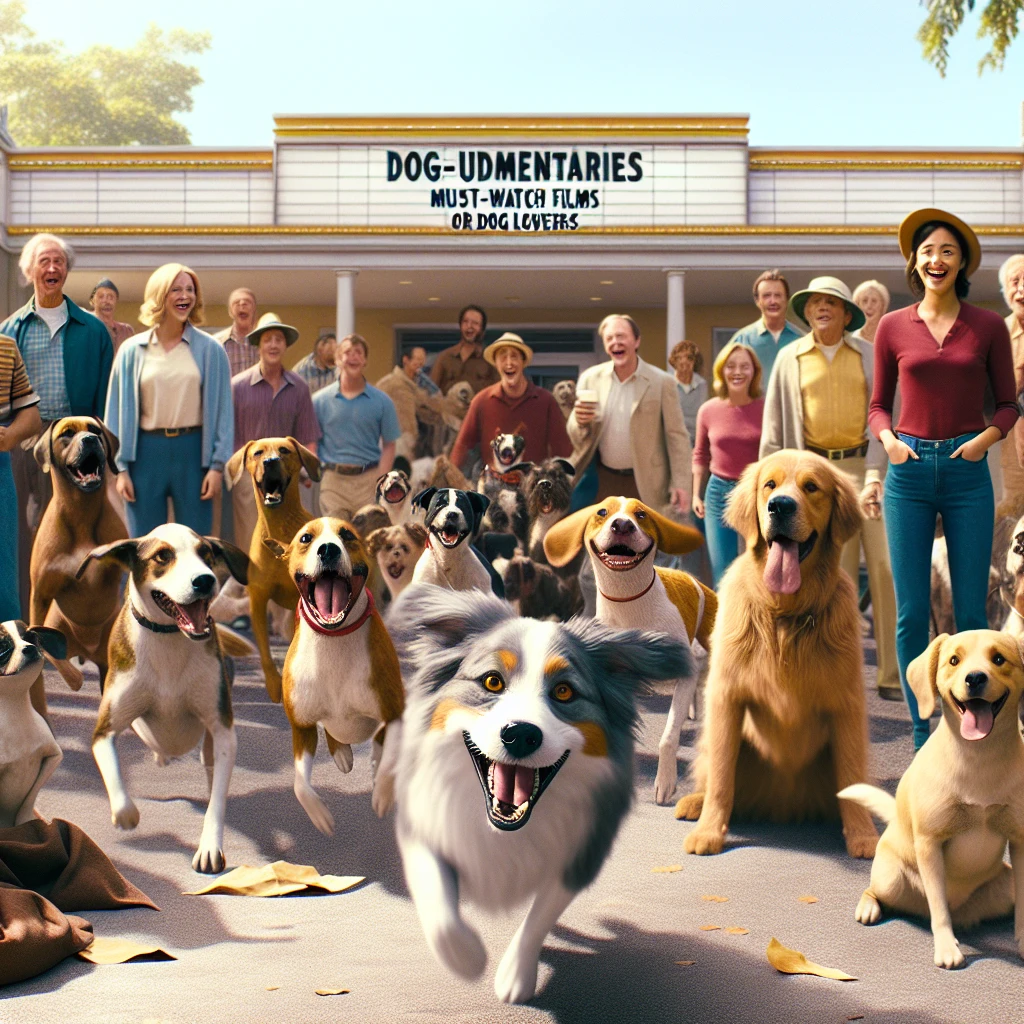



Dogs have been a significant part of human culture for thousands of years. Not only have they been our loyal companions, but they have also played a prominent role in art, literature, and various cultural practices. From ancient times to modern society, dogs have been depicted in various forms of art, symbolizing different meanings and emotions. In this article, we will embark on a fascinating journey through history, exploring the artistic and cultural significance of dogs.
In ancient civilizations, such as ancient Egypt, Greece, and Rome, dogs held a significant place in society. They were often seen as guardians and protectors, symbolizing loyalty and bravery. In Egyptian art, the god Anubis, often portrayed with the head of a jackal or a dog, was the patron of embalmers and guided souls to the afterlife. This representation showcased the belief in the protective and guiding nature of dogs.
Similarly, in Greek mythology, Cerberus, the three-headed dog, guarded the entrance to the underworld. Cerberus exemplified the idea of dogs serving as guardians, reinforcing their significance in ancient culture. Dogs were also depicted in various forms of pottery, statues, and mosaics, symbolizing loyalty, companionship, and protection.
During the Renaissance period, dogs took on new roles in art and culture. In paintings, dogs were often portrayed alongside prominent figures, such as kings, queens, and nobles. These depictions emphasized the status and wealth of the individuals, as owning a dog was viewed as a luxury and a symbol of power.
One such example is the famous painting "Las Meninas" by Diego Velazquez. In the painting, a small dog can be seen at the foot of the princess, symbolizing her status and importance. Dogs were also commonly depicted in hunting scenes, showcasing the aristocratic pastime of hunting with dogs.
As society evolved, so did the representation of dogs in art and culture. In the 19th and 20th centuries, dogs became more prominently featured as beloved companions and emotional symbols. Artists like Sir Edwin Landseer, renowned for his dog paintings, captured the loyalty and affection between humans and their canine companions.
One of Landseer's most famous works, "Dignity and Impudence," depicts two dogs, one bold and mischievous, the other regal and composed. This painting illustrates the contrasting personalities and emotions that dogs can evoke in humans.
Dogs also made their way into popular culture, through movies, literature, and advertising. They became iconic symbols of fidelity, devotion, and unconditional love. Think of Lassie, Rin Tin Tin, and the iconic images of dogs waiting faithfully for their owners. These representations cemented the emotional connection between humans and dogs in modern society.
In contemporary art, dogs continue to be represented in various forms, often serving as social commentaries. Artists use dogs to provoke thought, explore societal issues, and challenge norms. This use of dogs in art reflects our ever-evolving relationship with them and the changing dynamics of society.
For example, American artist William Wegman gained fame for his photographic series featuring Weimaraner dogs in various poses and costumes. Wegman's witty and surreal compositions intertwined canine charm with human narratives, questioning conventional roles and expectations.
Dogs have held a significant place in art and culture throughout history. From ancient civilizations to modern times, their representations have evolved, reflecting changing beliefs, values, and societal dynamics. Whether as guardians, symbols of wealth, beloved companions, or thought-provoking commentaries, dogs continue to inspire and capture our imagination.
As dog owners and enthusiasts, understanding the historical and cultural significance of dogs enhances our appreciation for these remarkable creatures. So next time you admire a piece of art featuring dogs, take a moment to think about the deeper meanings and emotions they represent. Dogs truly are more than just pets; they are an integral part of our shared human experience.
Sources: https://www.ancient.eu/anubis/, https://www.britannica.com/story/dogs-in-art, https://www.metmuseum.org/blogs/now-at-the-met/2020/dogs-in-art-history, https://news.artnet.com/art-world/william-wegman-weimaraner-282230