


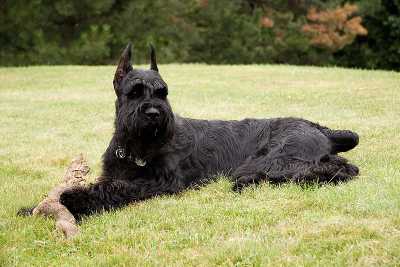
The Giant Schnauzer is a magnificent and powerful breed that demands attention wherever it goes. With its robust physique and distinctive bearded face, it's hard to ignore this loyal and intelligent creature. But have you ever wondered how this breed came to be? In this comprehensive guide, we will delve into the history and origins of the Giant Schnauzer breed and discover the stories that shaped this remarkable dog.
Originating in Germany, the Giant Schnauzer is the largest of the three Schnauzer breeds, which also include the Miniature Schnauzer and the Standard Schnauzer. The breed's roots can be traced back to the rugged terrain of Bavaria, where it was primarily used as a versatile working dog.
The history of the Giant Schnauzer dates back to the 17th century, where it was bred for its exceptional herding and guarding abilities. Farmers in rural Germany needed a reliable and intelligent dog that could protect their livestock from predators and assist in various farm tasks. The Giant Schnauzer proved to be the perfect companion, combining strength, agility, and intelligence all in one package.
The breed's origin is often credited to cattle drovers and farmers who worked in the Bavarian Alps. They needed a dog that could handle the rough terrain and harsh weather conditions while providing protection to their herds. The Giant Schnauzer's ancestors were likely a mix of local herding breeds and larger, working dogs such as the Great Dane and the Standard Poodle.
As time went on, the Giant Schnauzer's role shifted from being solely a farm dog to becoming a versatile working companion in other fields. It excelled in police and military work, where its intimidating presence and unwavering loyalty made it a valuable asset. Its keen sense of smell and high level of trainability also made it well-suited for search and rescue operations.
The Giant Schnauzer's popularity soared in the early 20th century, thanks in part to Max von Stephanitz, the founder of the German Shepherd breed. Stephanitz recognized the Giant Schnauzer's exceptional abilities and advocated for its recognition as a distinct breed. In 1923, the Giant Schnauzer was officially recognized by the German Kennel Club, solidifying its place in the dog world.
Despite its growing popularity, the breed faced numerous challenges during World War I and II. Many Giant Schnauzers were utilized in the war effort, and their numbers suffered as a result. However, dedicated breed enthusiasts worked tirelessly to rebuild the Giant Schnauzer population after the wars, ensuring its survival and eventual global recognition.
Today, the Giant Schnauzer is admired worldwide for its versatility, intelligence, and unwavering loyalty. It continues to excel in various pursuits, including obedience competitions, agility trials, and even as therapy dogs. Its distinctive appearance and commanding presence make it a favorite among dog enthusiasts looking for a striking and reliable companion.
In conclusion, the history and origin of the Giant Schnauzer is a testament to the breed's strength, adaptability, and enduring appeal. From its humble beginnings as a farm dog to its current status as a beloved family companion, the Giant Schnauzer has never ceased to impress with its exceptional abilities. Whether as a working dog or a cherished family pet, the Giant Schnauzer's legacy as a versatile and remarkable breed continues to thrive.
So, the next time you come across a Giant Schnauzer, remember its rich history and the incredible journey that led to its existence. This breed is not just a magnificent sight to behold, but also a living testament to the enduring bond between humans and dogs.


.jpeg)