

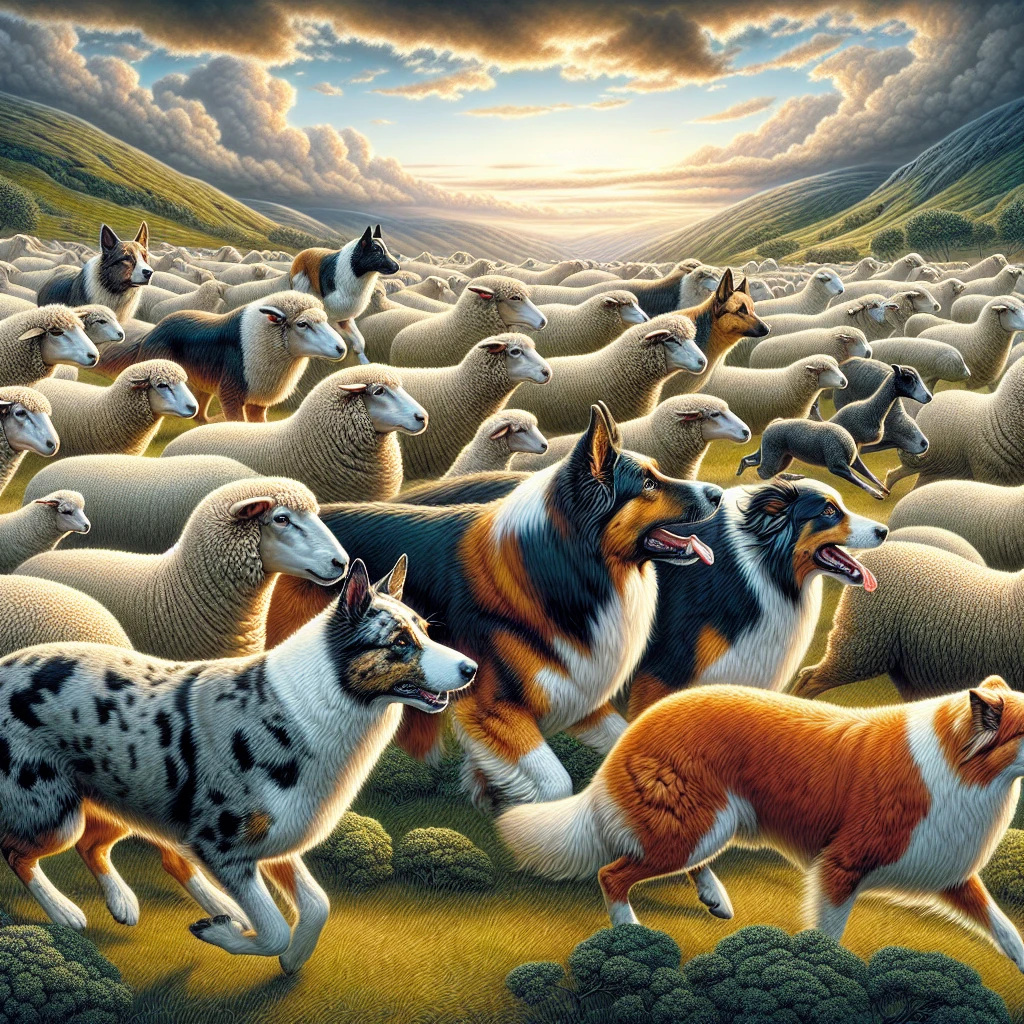
Herding dogs, also known as shepherd dogs or working dogs, have long played a critical role in pastoral and agricultural societies. These canines are esteemed for their intelligence, energy, and, most notably, their innate drive to herd livestock. Today, herding breeds are still employed in their traditional roles on farms and ranches around the world, but they also excel in various other capacities, including dog sports, search and rescue, and as loyal companions.
The herding instinct in these dogs is so strong that it is often apparent even when no livestock is present. This instinctual behavior has been harnessed and refined over centuries to create breeds with exceptional abilities to control the movement of other animals. But what exactly makes herding dogs so unique, and how can their talents and traits be best appreciated and utilized?
The herding instinct is an ingrained behavioral pattern that is evident in these dogs from a very early age. It is a modified version of the predatory sequence that includes eyeing, stalking, chasing, biting for a grip, killing, and eating. In herding dogs, this sequence has been selectively bred to enhance the traits useful for herding, such as stalking and chasing, while suppressing the killing part of the sequence.
Herding dogs utilize a variety of techniques to move animals. Some breeds, like the Border Collie, exhibit 'eye' control by staring down livestock while crouching and stalking. Others, such as the Australian Cattle Dog, may nip at the heels of animals – a practice known as 'heeling.' Then there are breeds like the Old English Sheepdog, which 'bump' the livestock with their bodies to direct them.
When it comes to herding, certain breeds are known to have a natural propensity for the work. Here’s a look at some of the top herding breeds and what makes each one special.
Arguably the most well-known herding breed, the Border Collie hails from the borderlands between Scotland and England. Noted for their intense gaze, or 'eye,' and their quick, agile movements, these dogs are masters of herding. A Border Collie's intelligence is renowned, often cited as the most intelligent of all domestic dogs. This breed's ability to learn and respond to commands is almost unrivaled, making them excellent competitors in herding trials and dog sports like agility and obedience.
Despite the name, Australian Shepherds were actually developed in the Western United States. Aussies are well-rounded herding dogs, known for their versatility and adaptability. They are often associated with a colorful coat and striking eyes. This breed thrives on having a job to do and requires substantial mental and physical stimulation to stay satisfied.
Originally bred for herding and guarding sheep, the German Shepherd Dog has become one of the most recognizable breeds worldwide. Their high level of intelligence and trainability has led them to a variety of roles, including police work, guiding the visually impaired, and serving as loyal family pets. In terms of herding, their protective instincts and strength make them excellent guard dogs for flocks.
Shetland Sheepdogs, or Shelties, hail from the Shetland Islands in Scotland. Though they resemble a smaller version of the Rough Collie, they are a distinct breed with their own merits. Shelties are quick learners and incredibly obedient, with a keen sense of herding, despite their smaller size. They are well-suited to herding smaller animals like ducks and chickens, as well as children.
The Belgian Malinois is a breed known for its stamina, strength, and unwavering work ethic. Originally bred to be herders, they are frequently employed in police and military roles due to their high drive and trainability. As herding dogs, they are tenacious and can herd livestock with precision.
Though they may be short in stature, Pembroke Welsh Corgis are big in heart and herding ability. Historically used to herd cattle, the Corgi's low body allows them to dodge kicks while nipping at the heels of livestock to move them effectively. They are smart, vigilant, and independent, with a sense of humor that makes them endearing companions.
Known for their shaggy coat and bear-like shuffle, Old English Sheepdogs were once drovers, helping to drive cattle and sheep to market. This breed uses their size to bump against livestock to keep them moving. They are affectionate and friendly dogs but require plenty of exercise and space to satisfy their herding instincts.
Having a herding dog means committing to a level of training and exercise that satisfies their instincts and intelligence. Training typically begins with basic commands before transitioning into more precise herding commands, such as 'come-by' or 'away to me' for directional control. Socialization is also important to ensure that these dogs can distinguish between herding livestock and interacting peacefully with humans and other pets.
The exercise requirements for herding breeds are substantial. These dogs are suited for active households where they can get regular, vigorous exercise. Activities such as hiking, running, and of course, herding, provide an excellent outlet for their energy. Engaging in dog sports can be highly beneficial, not only for physical exercise but also for mental stimulation.
Due to their active nature, herding breeds generally enjoy good health, but they can be predisposed to certain genetic conditions, such as hip dysplasia, Collie eye anomaly, and epilepsy. Regular veterinary check-ups and health screenings for breed-specific conditions are advised to ensure a long and healthy life.
Proper nutrition is also paramount for maintaining the vitality of herding breeds. A balanced diet tailored to support their high energy requirements can help to sustain their overall well-being and performance. It's essential to monitor their diet closely, as overfeeding can lead to obesity, particularly in less active pets.
While many herding breeds still serve in their traditional roles on farms, their scope has expanded in modern society. They are active in various disciplines that utilize their intelligence and athleticism. They serve in prominent roles within police and military units, excel in search and rescue, and provide support as therapy and service dogs. Moreover, they make incredibly devoted and capable companions for individuals and families alike.
The versatility of herding breeds is truly remarkable. Their ability to adapt to a multitude of tasks, coupled with their dedication and loyalty, makes them standout members of the canine world. Whether they are in the field, participating in dog sports, or warming our hearts as pets, these dogs embody the spirit of hard work and perseverance.
In conclusion, the herding breeds encompass a diverse group of dogs with specialized skills, intelligence, and unwavering work ethic. From the agile Border Collie to the composed German Shepherd, each breed possesses unique traits that make them suited not only for herding but also for various roles in today’s society. It is their drive and dedication that have made herding dogs so beloved and valued across the world, and understanding their needs and talents is key to ensuring they live fulfilling lives. For the dog enthusiast, the opportunity to work with and learn from these remarkable breeds is both a privilege and a joy. Herding dogs are more than just workers; they are companions with heart and soul, displaying an unmatched devotion to their tasks and their humans. That depth of character is what has ensured their place by our sides for centuries, and it is what continues to endear them to us today.