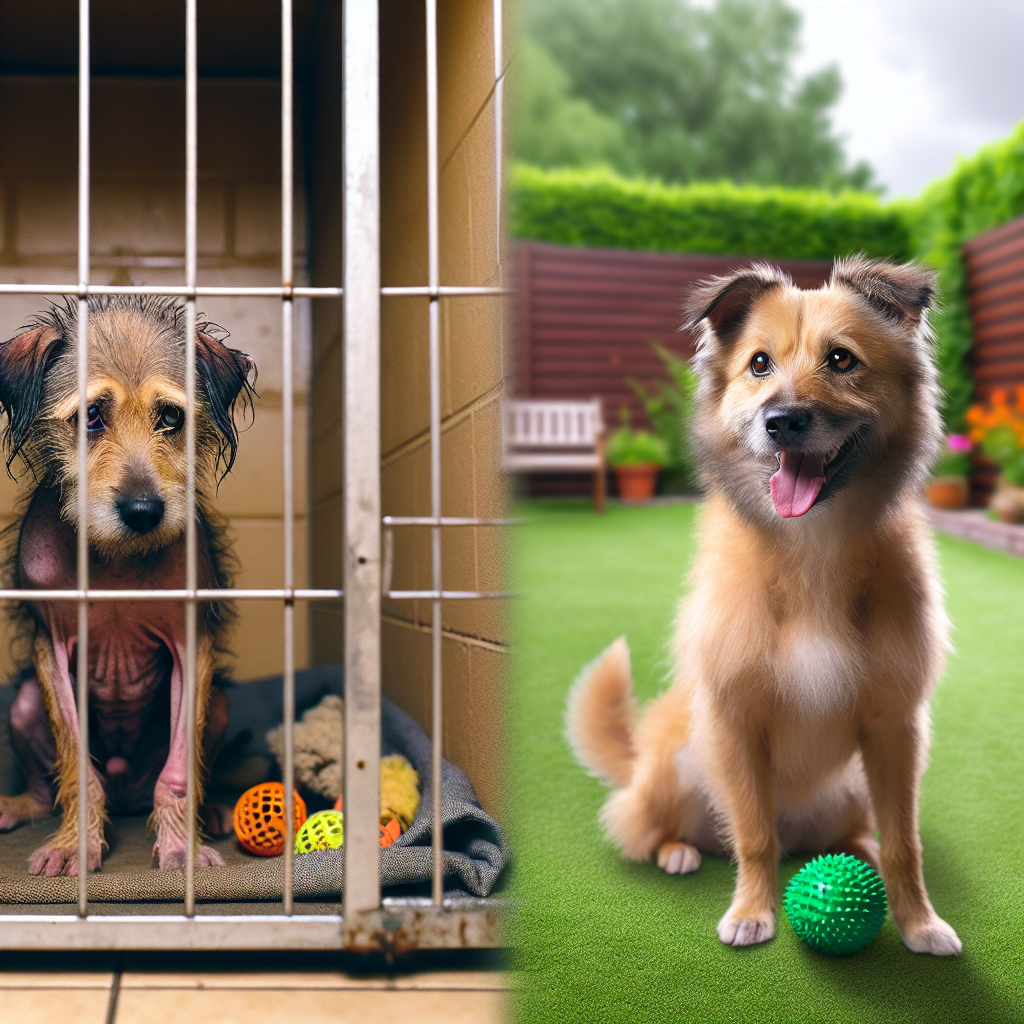


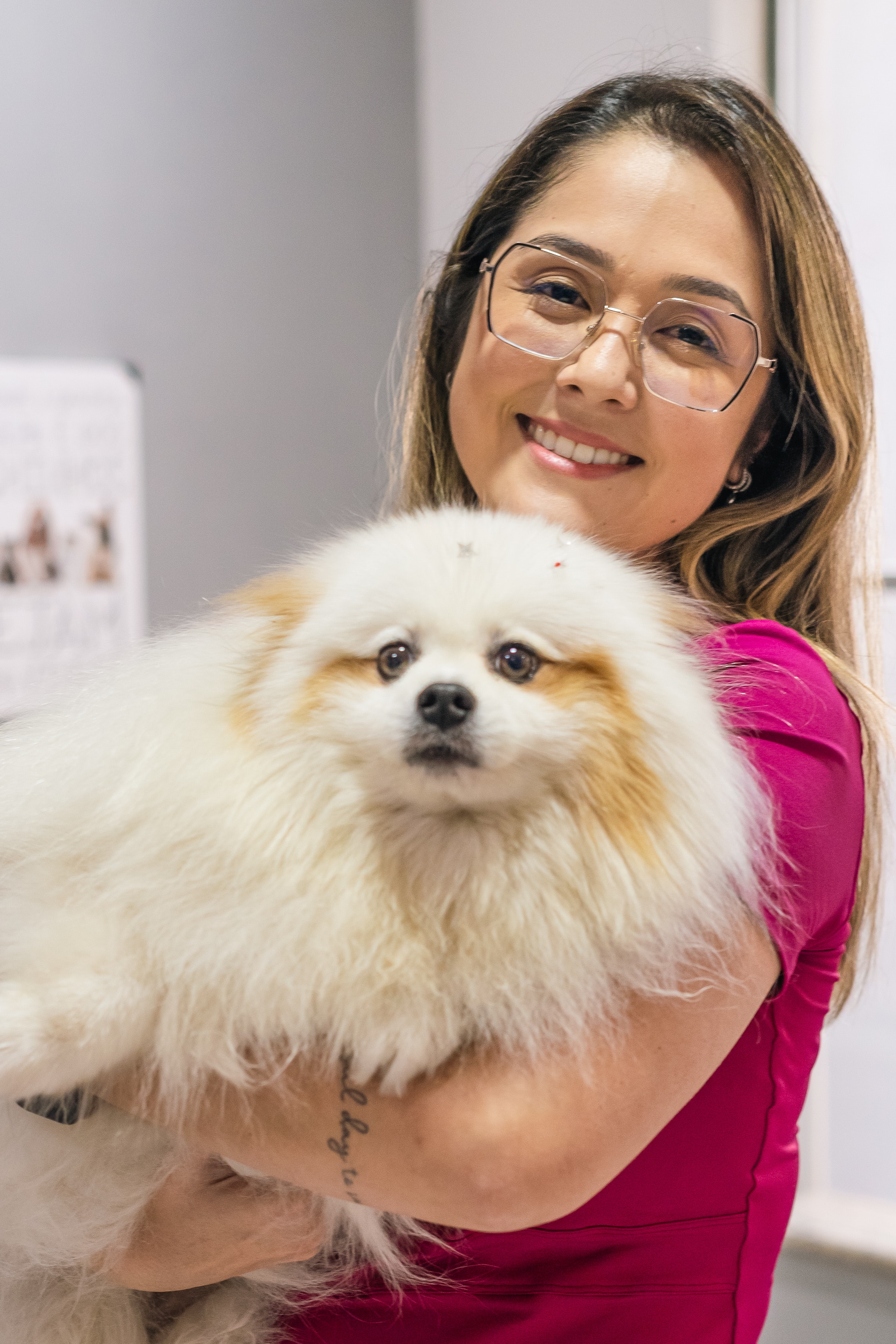
Having a dog that is shy or fearful can be a challenging experience for both the dog and its owner. Whether it's due to genetics, lack of socialization, or traumatic experiences, these dogs require extra care and understanding to help them overcome their anxieties and live a happy, well-adjusted life. In this article, we'll explore some insights into the world of shy or fearful dogs and provide tips on how to cope and help your anxious canine companion.
Shyness and fear are natural emotions that all dogs experience to some degree. However, for some dogs, these emotions become amplified, leading to avoidance, withdrawal, or defensive behaviors. It's essential to recognize the signs of shyness or fear in your dog, which may include cowering, trembling, excessive panting, hiding, or aggression. By understanding the source of these emotions, you can better address and manage them.
Several factors can contribute to a dog's shyness or fearfulness. Genetics play a significant role, as certain breeds are more predisposed to anxiety than others. Additionally, negative experiences such as abuse, neglect, or lack of early socialization can also contribute to fear and shyness. It's important to remember that each dog is an individual, and the reasons behind their anxiety may vary.
Creating an environment of trust and confidence is crucial when living with a shy or fearful dog. Patience is key, as it may take time for your dog to feel comfortable and secure in their surroundings. Provide them with a safe space where they can retreat and feel at ease, such as a crate or a designated area in your home. Avoid forcing them into situations that make them uncomfortable and instead focus on gradually exposing them to new experiences at their own pace.
Using positive reinforcement techniques and desensitization exercises can help your dog overcome their fears and build confidence. Reward them with praise, treats, or play whenever they display calm and relaxed behavior. By associating positive experiences with previously fearful situations, you can help your dog reframe their perception and reduce anxiety. Consult a professional dog trainer or behaviorist who specializes in fearfulness for personalized guidance and training plans.
There are various techniques you can employ to help calm your anxious canine. One effective method is through the use of natural calming aids such as pheromone diffusers, calming sprays, or herbal supplements. These products can help create a soothing environment and reduce your dog's stress levels. Additionally, engaging in calming activities such as gentle massages, aromatherapy, or playing soft music can further promote relaxation.
Dogs thrive on routine, and having a consistent schedule can bring a sense of stability to their lives. Ensure that your dog's daily routine includes regular exercise, mental stimulation, and a healthy diet. Engaging in activities they enjoy, such as puzzle toys, interactive games, or obedience training, can also help divert their attention away from fear-inducing stimuli.
If your dog's shyness or fearfulness is significantly impacting their quality of life or poses a risk to themselves or others, it may be beneficial to consult with a professional. A qualified veterinarian or animal behaviorist can provide you with the support and guidance needed to develop a comprehensive treatment plan tailored to your dog's specific needs.
Living with a shy or fearful dog requires patience, understanding, and a commitment to their well-being. By creating a safe and supportive environment and implementing positive reinforcement techniques, you can help your anxious canine companion overcome their fears and build confidence. Remember, every small step forward is a victory, and with time and effort, your dog can lead a happier and more fulfilling life.