

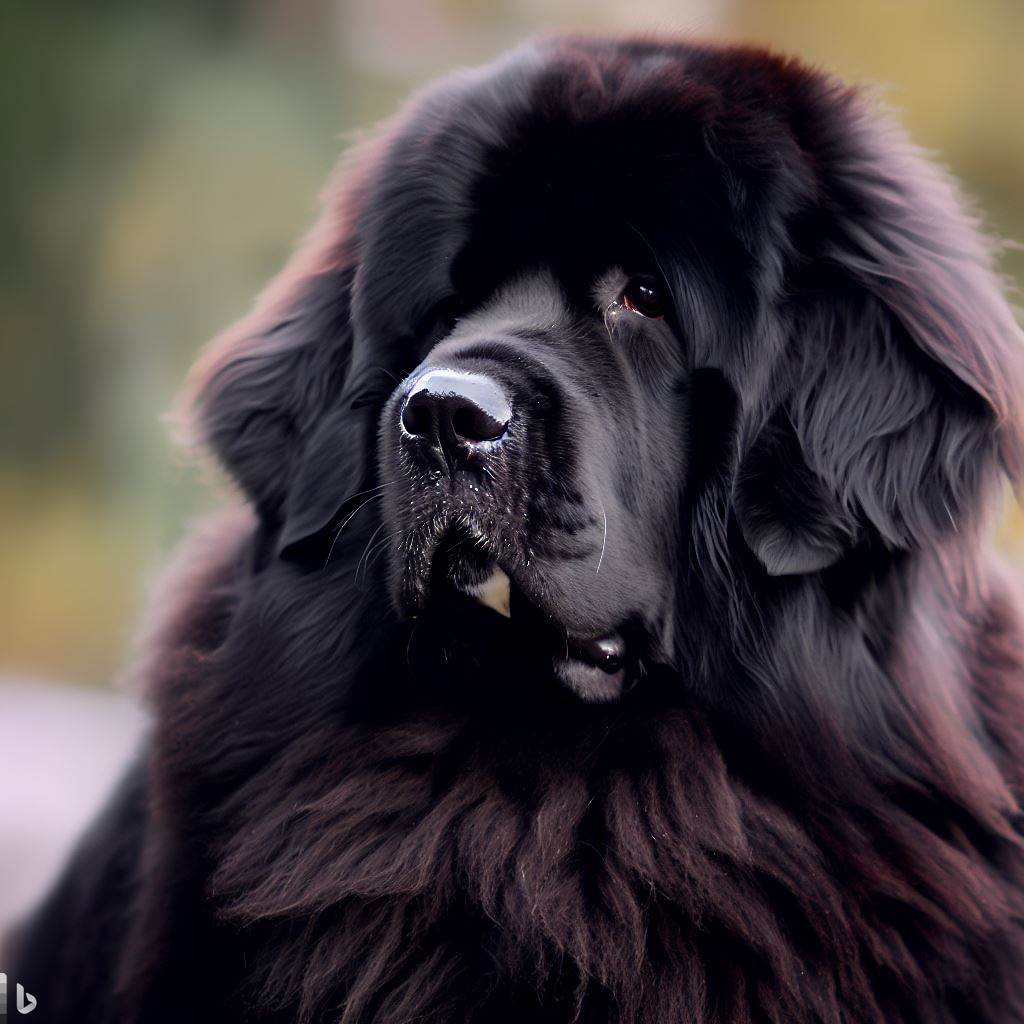
The Newfoundland breed is renowned for its strong swimming abilities, gentle nature, and loyalty. These large and imposing dogs have captivated the hearts of dog lovers around the world. But have you ever wondered about the fascinating origins and rich history of the Newfoundland breed? In this article, we will dive deep into the past to uncover the roots of these magnificent dogs.
The Newfoundland breed is believed to have originated on the island of Newfoundland, Canada, and its history can be traced back hundreds of years. The breed's ancestors are thought to have been brought to the area by European fishermen, as early as the 15th century.
It is widely believed that the Newfoundland breed is a descendant of the now-extinct Greater St. John's Dog, a large, black, and white-coated working dog. These dogs were used by both the indigenous peoples of Newfoundland and the European fishermen who frequented the area. The Greater St. John's Dogs were prized for their excellent swimming abilities and were used for various tasks, such as hauling fishing nets, retrieving fish from the water, and even rescuing people from drowning.
In the 18th century, when European settlers arrived on the island, the Newfoundland breed we know today was further developed. These settlers brought with them their own working dogs, including the Mastiff and the Great Pyrenees. These dogs were crossed with the indigenous Newfoundland dogs, resulting in the breed we recognize today.
The breed's water-repellent coat, webbed paws, and muscular build make them perfect for water rescues. One of the most famous stories involving a Newfoundland is the tale of Hairy Man. Hairy Man was a courageous Newfoundland who was credited with saving over 60 lives during his career as a water rescue dog in the early 19th century. His heroic acts made the breed even more popular, solidifying their reputation as excellent water rescue dogs.
The Newfoundland's reputation as a rescue dog grew even further in the 1830s when a Newfoundland named Boatswain caught the attention of British artist Sir Edwin Landseer. Landseer was fascinated by the breed and frequently featured them in his paintings. This led to the breed being commonly referred to as "Landseer" in some parts of the world.
Aside from their remarkable water rescue abilities, Newfoundlands were also known for their strength and endurance, making them excellent working dogs. They were employed in various tasks, such as hauling heavy loads, pulling carts, and even working alongside fishermen.
The breed's gentle and patient nature also made them popular as family pets. Their calm and affectionate disposition made them great companions, particularly for households with children.
In 1886, the Newfoundland breed was officially recognized by the American Kennel Club (AKC). Since then, they have continued to capture the hearts of dog enthusiasts worldwide.
Modern Newfoundlands still possess many of the same qualities as their ancestors. They are known for their sweet and gentle temperament, intelligence, and loyalty. They are often described as being "gentle giants" due to their large size and calm nature.
To properly care for a Newfoundland, it's important to provide them with regular exercise to keep them healthy and happy. Despite their large size, they are not overly energetic dogs and are relatively low maintenance in terms of exercise requirements. Daily walks and some playtime should usually suffice to meet their needs.
Grooming is another essential aspect of Newfoundland care due to their thick double coat. Regular brushing is necessary to prevent matting and to keep their coat healthy and clean. Additionally, their ears should be checked regularly to avoid any potential ear infections.
In conclusion, the Newfoundland breed has a long and storied history that dates back centuries. They have a proud heritage as working dogs and water rescue heroes. Today, Newfoundlands continue to be beloved companions and are cherished for their kind and gentle nature. Whether by land or by sea, Newfoundland dogs have made an indelible mark on the hearts of dog lovers worldwide.