

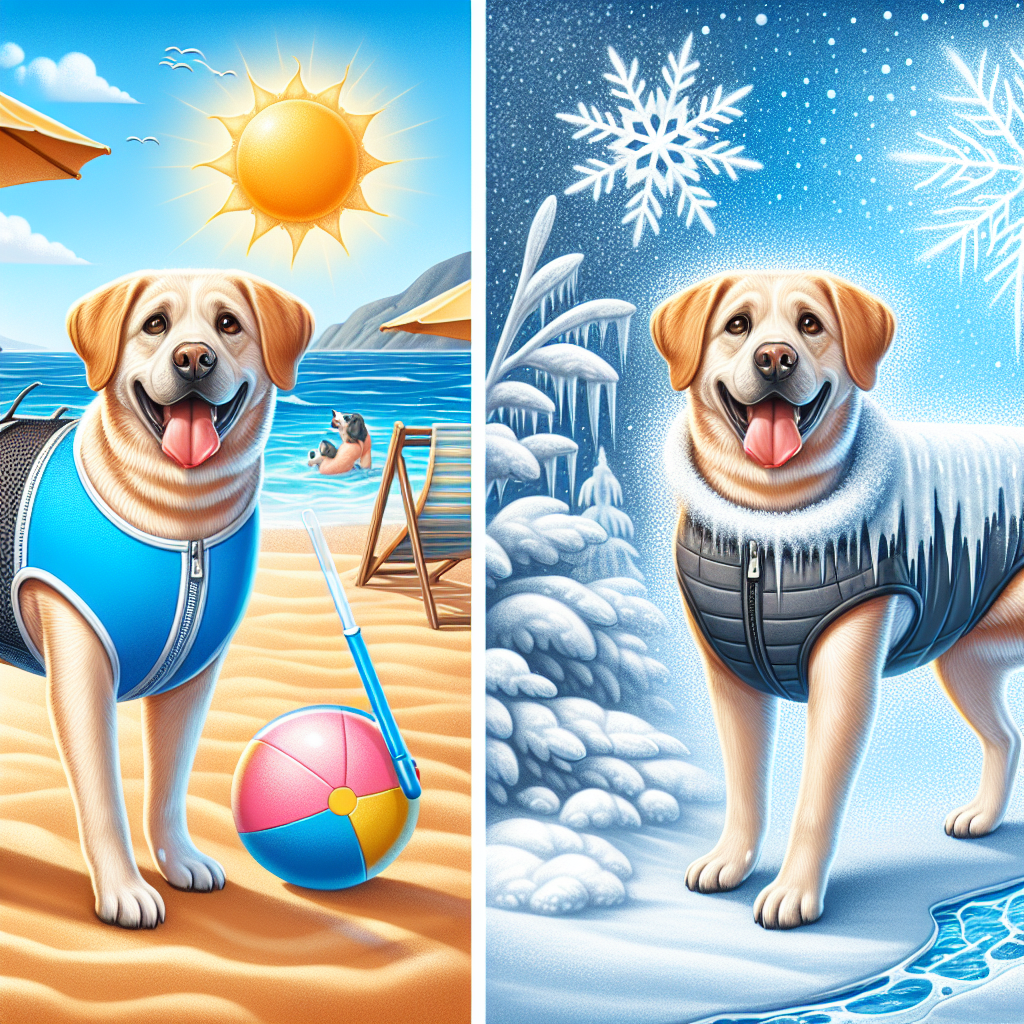
As the mercury rises, here are essential tips to keep your canine cool and comfortable.
Watch for signs of heatstroke such as excessive panting and drooling. To prevent it, exercise your dog during cooler times and always provide fresh water.
Ensure your dog's safety around water by using a life jacket, supervising swim time, and being cautious of water temperatures.
Shield your dog's paws from hot surfaces to prevent burns. Test the heat with your hand and use protective products if necessary.
Prevent fleas, ticks, and heartworms with regular, monthly medications to keep your dog parasite-free during the summer months.
Combat seasonal allergies by keeping your dog's coat clean and consulting with your vet for appropriate treatments.
Prepare your pooch for the changing leaves and cooler breezes with these autumnal precautions.
With shorter days, equip your dog with reflective gear or LED collars to increase visibility during walks in low light.
Keep an eye on school supplies that can be harmful if ingested by your curious canine.
Watch out for poisons laid out for rodents and insects, and keep your dog away from suspicious substances.
As temperatures dip, consider additional warmth for your dog, such as coats or sweaters, especially for those with thin hair.
Be vigilant of SCI symptoms like vomiting and lethargy after woodland walks and seek veterinary help if concerned.
Ensure your dog stays warm and safe with these guidelines for the cold winter months.
Protect your dog from frostbite and hypothermia by limiting outdoor time and providing sufficient warmth during extreme cold.
Be cautious with antifreeze, a lethal poison for dogs, by cleaning spills immediately and keeping containers secured.
Maintain a humidified home and moisturize your dog's pads to combat the dry winter air.
During the festive season, keep decorations, plants, and holiday foods away from your pet to avoid any health risks.
When playing in the snow, protect your dog from hidden dangers and clean their paws after outdoor fun.
Welcome the season of renewal with these health and safety tips for your dog.
Use pet-safe cleaning products during spring cleaning to prevent toxic exposure to your dogs.
Choose non-toxic plants and pet-friendly lawn care products to keep your garden safe for your canine friend.
As the weather improves, gradually increase your dog's activity level to prevent injury after a sedentary winter.
With the new season, be mindful of potential allergies and consult your vet for treatment if you notice symptoms in your dog.
Secure all screens and clear windowsills of potential hazards to ensure your dog's safety when you bring in the spring breeze.